
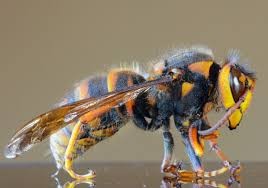
Warning Issued as Asian Hornets Spotted Multiple Times in the Past Week
The UK government has issued a warning after confirming several sightings of the invasive Asian hornet, including three occurrences in the past week alone. This surge marks a significant increase from the five sightings recorded earlier in 2024.
The Asian hornet, originally arriving in France in 2004, has been steadily spreading across Europe, with numerous sightings reported in the UK since 2016. In 2023, the venomous stings of Asian hornets led to the deaths of at least five people in France.
This aggressive insect poses a serious threat to native species, particularly honey bees, as it is a voracious predator capable of consuming up to 50 bees a day. The potential loss of bee colonies could have devastating effects on ecosystems and agricultural pollination.
The UK government emphasizes the importance of reporting any suspected sightings of Asian hornets promptly, especially in southern parts of England and Wales, as well as around major ports.
What is an Asian Hornet and What Should You Do if You Spot One?
The Asian hornet, also known as the yellow-legged hornet or Asian Predatory Wasp, is native to Southeast Asia. Identified by its distinctive yellow legs and velvet brown or black body, the Asian hornet tends to be sighted near bee hives, particularly in the south of England, between February and November.
If you encounter an Asian hornet, it is crucial to remain cautious and avoid provoking the insect, as its sting is more painful and toxic compared to other stinging insects. If stung, experts advise washing the affected area thoroughly with soap and cool water, applying ice to reduce swelling, and seeking medical attention if experiencing difficulty breathing or signs of an allergic reaction.
Jay Riggs from Zeal CBD underscores the importance of caution when dealing with Asian hornets, emphasizing that their sting can cause severe pain and swelling akin to being stabbed by a red-hot needle.
As sightings of Asian hornets continue to rise, vigilance and prompt reporting are essential to mitigate the potential risks posed by this invasive species.