
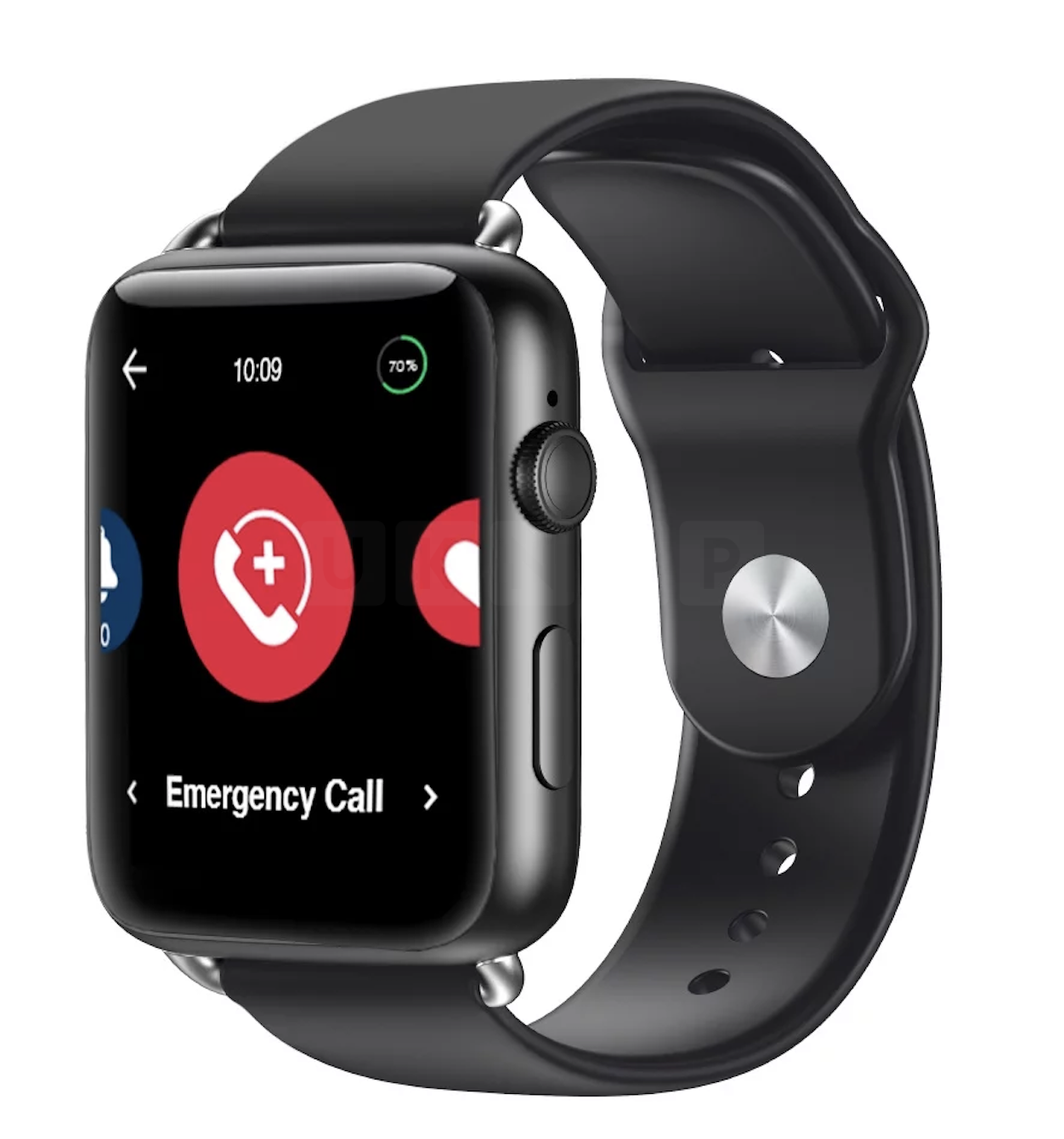
A recent study published in the Journal of the American Heart Association has raised concerns about the effectiveness of wearable health devices, like smartwatches, for patients with atrial fibrillation (Afib). Conducted by Dr. Lindsay Rosman, an assistant professor of medicine in the cardiology division at the University of North Carolina School of Medicine, the research suggests that these devices may increase anxiety and healthcare usage among Afib patients rather than solely providing beneficial monitoring.
The study involved 172 participants from UNC Health, all previously diagnosed with Afib. It compared those who used wearable devices to monitor their heart rate and receive alerts on irregular heartbeats with those who did not use such technology. The findings indicated that the wearable users experienced heightened preoccupation with their heart symptoms, increased concerns about their Afib treatment, and a higher tendency to utilize healthcare resources.
Moreover, the study found that wearable device users were more likely to contact healthcare providers and express fears triggered by notifications of irregular rhythms. About 20% of this group also frequently reached out to their doctors following abnormal ECG results, raising questions about the necessity and implications of such contacts.
Dr. Rosman highlighted the psychological impact, noting, “One in five Afib patients using wearables reported intense anxiety in response to their device alerts.” This anxiety might exacerbate symptoms, although the study did not conclusively determine this.
The implications of these findings are significant, suggesting that while wearables are intended to empower patients by providing more data on their health, they can also lead to increased mental distress and potentially unnecessary healthcare interactions. “Given the significant rise in wearable use among this patient group, we believe more in-depth studies are needed to assess the overall impact of these devices on both patients and healthcare systems,” Rosman stated.
This study prompts a call for more prospective studies and randomized trials to better understand the balance between the benefits and drawbacks of wearable health technologies, particularly for those with chronic health conditions like Afib.