
Many workers find themselves unable to make ends meet as surging inflation and 10 years of stagnant wage growth batter them and their families.
Among the workers’ other concerns that were brought up over the months that this dispute has gone on are job security, with threatened cuts to some maintenance teams that could in turn impact negatively the safety of the networks, their passengers, and the people working on them.
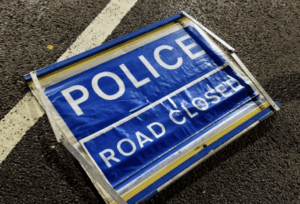
Members of the Rail, Maritime and Transport union (RMT) at Network Rail and 14 train operators are holding two 48-hour walkouts on Tuesday and Thursday, while drivers in the Aslef union will strike on Thursday.
Passengers are being warned of “significant disruptions” to their journeys, with only a limited number of trains running.
The government has said it cannot afford to give public sector workers an inflation-matching rise, meaning there is no end in sight to what has been dubbed a new “winter of discontent” in reference to the industrial battles that gripped Britain in the late 1970s.
Nurses, airport staff and postal workers have also joined the action, demanding pay that keeps up with the inflation hovering around 40-year highs, reaching 10.7 percent in November.
Teachers are due to go on strike in Scotland next week.
A YouGov poll published in December found two-thirds of Britons support the nurses’ strike.
The transport secretary has said he would like to see the bitter dispute causing rail strikes this week to be resolved “sooner rather than later”, as a fresh wave of industrial action cripples the country’s railway network.
Mark Harper said two trade unions have already accepted a “fair and reasonable” pay offer, but progress has stalled as the Rail, Maritime and Transport union (RMT) rejected the offer by Network Rail, which owns and maintains the railways, of a 5% pay rise in 2022 and a 4% rise in 2023.
“I am sure we can reach a settlement.
“But we are only going to do it if we get both sides around the table,” adding there has been positive developments in the talks, which are taking place between the train operating companies, Network Rail and union leaders.
Nigel Harris, the managing editor of Rail Magazine, told Sky News that disinformation is rife on both sides of the rail dispute.
He said: “Nobody is telling the full truth, there is so much disinformation on both sides. It’s hard to see where we get through this.
“Driver-only operation (a key point of dispute, according to RMT chief Mick Lynch) is a complete red herring. It’s not something you can just do, it takes years of preparation.
“New trains with specialist equipment, with specialist training for all the staff including platform, dispatches and changes to infrastructure.”
But Mr Lynch said that a deal is “achievable in the next few days”, saying that “the companies know what they need to do”.
Mr Lynch said his union members need “a settlement that addresses all of the issues” and warned they may “ballot again” if an agreement is not achieved.
He accused the government of scuppering a deal late in the day by adding new clauses including about driver-only trains.