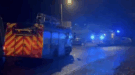

Fire investigators respond to a wide range of incidents, but especially those where a crime has been committed, someone has died, or there has been extensive damage.
Their findings may be useful to other agencies such as Kent Police in criminal proceedings, coroner’s courts in inquest hearings, the Health and Safety Executive in workplace safety, and Trading Standards in product safety.
The first thing to do is establish the scene and protect any vital evidence,” said KFRS Fire Scene Investigator Phil Bailey. We talk a lot to people who have been affected by fire, whether they are residents or business owners, because we want to reassure them and explain the next steps.
“It’s critical for us to find out what happened, especially when someone has died at the scene, to help provide closure for those affected and help them through what is a very difficult time.”
Information gathered from a fire scene also helps to shape KFRS prevention activities, which include conducting research and delivering education to schools, the general public, and businesses.
The findings of the investigation are critical for identifying fire-related risks and trends, which can then be shared with relevant organisations for safety advice. Identifying a fire safety risk with a specific electrical item, for example, could result in product recalls and improvements in future product design.
It also allows KFRS to review and adapt its firefighting tactics in response to changing risks, ensuring that the service continues to effectively protect Kent and Medway residents and workers.