A powerful storm and devastating floods have unleashed havoc in eastern Libya, claiming the lives of at least 150 people in the city of Derna, as reported by the Red Crescent in Benghazi. The catastrophe unfolded as water levels in Derna surged to alarming heights, reaching as high as three meters (10 feet), threatening the lives and properties of residents.
Kais Fhakeri, the head of the Red Crescent organisation in the city, expressed concerns that the death toll might escalate to 250 as rescue and recovery efforts continue. Additionally, dozens of individuals are currently missing, compounding the tragedy.
The storm, known as Storm Daniel, swept through the region on Sunday and Monday, causing widespread destruction in several cities, including Benghazi, Susa, Bayda, al-Marj, and Derna. Distressing footage shared on social media portrayed people stranded on the roofs of their vehicles, desperately seeking refuge from the rising floodwaters.
Ahmed Mohamed, a resident of Derna, recounted the harrowing experience, saying, “We were asleep, and when we woke up, we found water besieging the house. We are inside and trying to get out.”
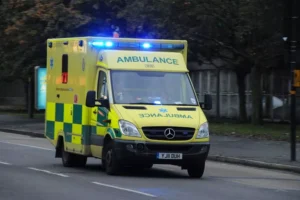
Tragically, the devastation extended beyond Derna. In the eastern town of Bayda, at least 12 individuals lost their lives, as reported by the town’s main medical centre. The coastal town of Susa in northeastern Libya also suffered, with seven casualties confirmed by the Ambulance and Emergency Authority. Furthermore, seven more lives were claimed in the towns of Shahatt and Omar al-Mokhtar.
In a separate incident on Sunday, a man lost his life in the eastern town of al-Marj, where he became trapped in his vehicle amidst the floodwaters.
The Libyan Red Crescent reported losing contact with one of its workers who had been attempting to assist a stranded family in Bayda. Concerns are mounting that dozens of others could be missing and possibly deceased due to the floods that wrought havoc on homes and properties across eastern Libya.
Among the missing are seven members of the Libyan National Army (LNA), led by Khalifa Haftar, which maintains control over the eastern part of the divided country, according to LNA spokesperson Ahmad Mismari.
Images broadcast by eastern Libya’s Almostakbal TV showcased the extensive damage caused by heavy floods, including washed-away vehicles and a collapsed road between Susa and Shahat, home to the UNESCO-listed archaeological site Cyrene, founded by the Greeks.
In response to the disaster, Libya’s eastern-based parliament declared three days of mourning, and Prime Minister Abdul Hamid Dbeibah of the internationally recognised interim government in Tripoli, western Libya, also announced three days of mourning in all the affected cities, designating them as “disaster areas.”
The catastrophe has disrupted daily life further, as four major oil ports in Libya – Ras Lanuf, Zueitina, Brega, and Es Sidra – were forced to close for three days, impacting the country’s crucial oil industry.
Search and rescue operations are ongoing, and authorities have declared a state of extreme emergency. Schools and stores have been closed, and a curfew imposed to manage the situation.
Prime Minister Dbeibah, despite his limited influence in eastern Libya, has instructed all state agencies to respond immediately to the damage and flooding in the affected cities. The United Nations in Libya has also pledged to provide urgent relief assistance to support local and national response efforts in the face of this catastrophe.