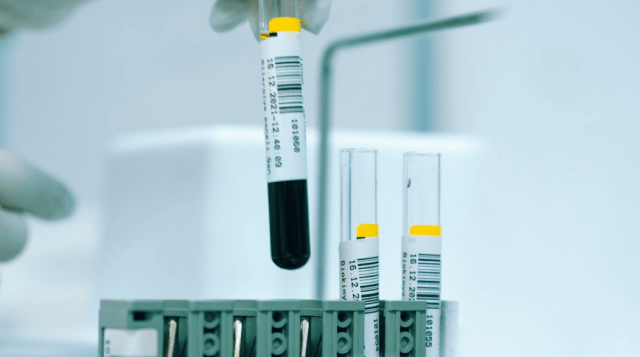
In a damning report released today, the public inquiry into the infected blood scandal has revealed a shocking catalogue of failures that led to the unnecessary suffering and death of thousands of patients. The scandal, which spanned three decades, involved the use of contaminated blood products that infected recipients with HIV and Hepatitis.
A Tragic Legacy
Between 1970 and 1998, over 3,000 patients lost their lives or suffered immensely due to this treatment disaster. Sir Brian Langstaff, who chaired the five-year inquiry, minced no words in his assessment. He stated that doctors, civil servants, and politicians had “closed ranks” to conceal the truth. Their collective failure to prioritize patient safety resulted in a calamity that could—and should—have been avoided.

Cover-Up and Compounded Suffering
When the scandal finally came to light, the response from those in authority only compounded people’s suffering. The report highlights a deliberate cover-up by doctors, the government, and the NHS. More than 30,000 individuals were infected with HIV and hepatitis C from 1970 to 1991 through contaminated blood products and transfusions. Victims have campaigned tirelessly for compensation, calling this the biggest treatment disaster in NHS history.
Key Findings
The inquiry report reveals several disturbing findings:
- Unacceptable Risks: Patients were knowingly exposed to unacceptable risks of infection.
- Prior Knowledge: The risk of severe infection from blood products was well known before most patients received treatment, especially in the case of hepatitis since the end of World War II.
- Unnecessary Transfusions: Transfusions were frequently administered when not clinically necessary.
- Treloar’s School: Pupils at Treloar’s School were treated as “objects of research” rather than children.
- Unsafe Imports: Blood products imported for treatment were unsafe and should not have been licensed for use in the UK.
- Lack of Contact Tracing: No contact tracing was conducted when Hepatitis C screenings were introduced.
- Government Failures: Repeated and ongoing failures by governments and the NHS to acknowledge that people should not have been infected.
- Misleading Communication: Authorities repeatedly used inaccurate, misleading, and defensive lines.
- Cruel Treatment: Infected individuals were cruelly informed that they received the best available treatment.
- Document Destruction: Deliberate destruction of some documents and loss of many others.
- Decades of Refusal: A decades-long refusal to provide compensation.
- Late Inquiry: The public inquiry was not set up until 2017.
Prime Minister’s Apology
Prime Minister Rishi Sunak is expected to issue a formal apology later today. However, for the victims and their families, mere words may never fully address the magnitude of this tragedy. The infected blood scandal serves as a stark reminder of the need for transparency, accountability, and unwavering commitment to patient safety in our healthcare system.
As the nation grapples with the fallout from this avoidable catastrophe, one question remains: How could this have happened? And more importantly, how can we ensure it never happens again?